
- Language:English
- English
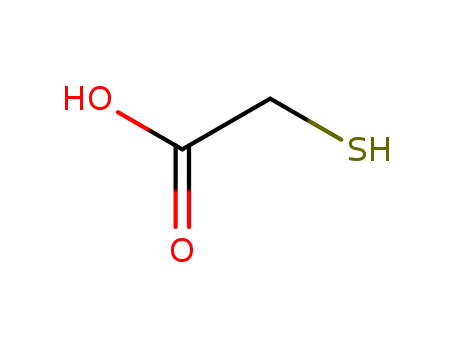
CasNo: 68-11-1
Molecular Formula: C2H4O2S
Appearance: Clear liquid
|
Air & Water Reactions |
Readily oxidized by air. Water soluble. |
|
Reactivity Profile |
Mercaptoacetic acid is readily oxidized by air . Reacts readily with other oxidizing agents as well in reactions that may generate toxic gases. Incompatible with diazo and azo compounds, halocarbons, isocyanates, aldehydes, alkali metals, nitrides, hydrides, and other strong reducing agents. Reactions with these materials may generate heat and toxic and flammable gases. May react with acids to liberate hydrogen sulfide. Neutralizes bases in exothermic reactions. Reacts with cyanides, sulfites, nitrites, thiosulfates to generate flammable and toxic gases and heat. Reacts with carbonates and bicarbonates. |
|
Hazard |
Toxic by ingestion and inhalation, strong irritant to tissue, eyes, and skin. |
|
Health Hazard |
TOXIC; inhalation, ingestion or skin contact with material may cause severe injury or death. Contact with molten substance may cause severe burns to skin and eyes. Avoid any skin contact. Effects of contact or inhalation may be delayed. Fire may produce irritating, corrosive and/or toxic gases. Runoff from fire control or dilution water may be corrosive and/or toxic and cause pollution. |
|
Fire Hazard |
Combustible material: may burn but does not ignite readily. When heated, vapors may form explosive mixtures with air: indoors, outdoors and sewers explosion hazards. Contact with metals may evolve flammable hydrogen gas. Containers may explode when heated. Runoff may pollute waterways. Substance may be transported in a molten form. |
|
Safety Profile |
Poison by ingestion, skin contact, intraperitoneal, and intravenous routes. Moderately toxic by subcutaneous route. A corrosive irritant to skin, eyes, and mucous membranes. When heated to decomposition it emits toxic fumes of SOx. See also MERCAPTANS and HYDROGEN SULFIDE. |
|
Potential Exposure |
Thioglycolic acid is used to make thioglycolates; in sensitivity tests for iron; in formulations of permanent wave solutions and depilatories; in pharmaceutical manufacture; as a stabilizer in vinyl plastics. |
|
Carcinogenicity |
Thioglycolic acid was not mutagenic in a number of Salmonella typhimurium strains with or without metabolic activation. |
|
Shipping |
UN1940 Thyoglycolic acid, Hazard class: 8; Labels: 8-Corrosive material. |
|
Purification Methods |
Mix the acid with an equal volume of *benzene; the *benzene is then distilled off to dehydrate the acid. After heating to 100o to remove most of the *benzene, the residue is distilled under vacuum and stored in sealed ampoules at 3o. [Eshelman et al. Anal Chem 22 844 1960, Beilstein 3 IV 1130.] |
|
Incompatibilities |
Compounds of the carboxyl group react with all bases, both inorganic and organic (i.e., amines) releasing substantial heat, water and a salt that may be harmful. Incompatible with arsenic compounds (releases hydrogen cyanide gas), diazo compounds, dithiocarbamates, isocyanates, mercaptans, nitrides, and sulfides (releasing heat, toxic and possibly flammable gases), thiosulfates and dithionites (releasing hydrogen sulfate and oxides of sulfur). Air, strong oxidizers; bases, active metals, for example, sodium potassium, magnesium, and calcium. Readily oxidized by air. Thermal decomposition causes release of hydrogen sulfide. May attack various metals. |
|
Waste Disposal |
Dissolve in flammable solvent and burn in furnace equipped with afterburner and alkaline scrubber. |
|
General Description |
Mercaptoacetic acid (also known as thioglycolic acid) is a versatile sulfur-containing organic compound widely used in chemical synthesis, including the preparation of heterocyclic compounds like thiazoles, thiazolidinones, and thiazinanones, as well as in the functionalization of nanomaterials. It serves as a key reagent in the synthesis of biologically active molecules, such as COX-2 inhibitors, steroid analogs, and phenazone derivatives, due to its ability to introduce thiol or thiocarbonyl functional groups. Additionally, it is employed in industrial applications, such as the production of vat dyes, and in green chemistry for developing reusable nanocatalysts. Its reactivity with aldehydes, amines, and other electrophiles makes it valuable for constructing sulfur-heterocyclic scaffolds with potential pharmacological properties. |
|
Application |
Thioglycolic acid is an intermediate in the production of thiomethoprol (caputril), biotin, thiozinc acid, sodium dithiosuccinate and other pharmaceuticals, and is also an intermediate in the synthesis of cysteine, hormonal agent, and industrial disinfectant. And an important raw material for the synthesis of sulfuric acid. Thioglycolic acid is used as antioxidant and stabilizer in pharmaceuticals to enhance the stability of the main drug and prolong the validity period of pharmaceutical preparations. Ammonium and sodium salts of thioglycolic acid are mainly used as curling agents, calcium salts can be used as depilatory agents, polymerization initiators, accelerators and chain transfer agents, and can be used for hair removal before cosmetic surgery and animal experiments. Thioglycolic acid is used to make epoxy resin, catalyst of bisphenol A, and it can also be used as the basic raw material for synthesizing PVC transparent plastic and organic antimony and organic tin heat stabilizer. Thioglycolic acid is a sensitive reagent for the determination of iron, molybdenum, aluminum, tin, etc., and is an inhibitor of copper sulfide and iron sulfide minerals in beneficiation. In the petrochemical industry and the railway sector, it is used for cleaning and derusting of equipment and rails. It can be used as a crystallization nucleating agent in polypropylene processing and molding, as a modifier for coatings and fibers, as a blanket quickening agent, as a stabilizer raw material for polyvinyl chloride and rubber, as a cold perm agent, and as a pharmaceutical intermediate. Thioglycolic acid is used as a color developer for the photometric determination of molybdenum, rhenium and iron, and as a compounding masking agent. |
InChI:InChI=1/C2H4O2S/c3-2(4)1-5/h5H,1H2,(H,3,4)/p-1
The invention relates to a low-odor thio...
Classic acetyl thioester protection/depr...
The invention discloses mercapto acetic ...
The synthesis of the enantiopure thioest...

(α-carboxymethylsulfanyl-benzylidene)-dimethyl-ammonium; bromide


S-benzoylthioglycolic acid


mercaptoacetic acid

N,N-dimethylbenzamide
| Conditions | Yield |
|---|---|
|
|
(α-carboxymethylsulfanyl-benzylidene)-dimethyl-ammonium; bromide
S-benzoylthioglycolic acid
mercaptoacetic acid
N,N-dimethylbenzamide
| Conditions | Yield |
|---|---|
|
|

2-thioxo-4-thiazolidinone

2-methylamino-Δ2-thiazolin-4-one

3-methyl-thiazolidine-2,4-dione

thiazolidine-2,4-dione-2-semicarbazone

2-(furan-2-yl)-3-phenylthiazolidin-4-one

S-(2-pyridyl)thioglycolic acid

(4-pyridylthio)acetic acid

2-morpholin-4-yl-2-thiazole-4(5H)-one
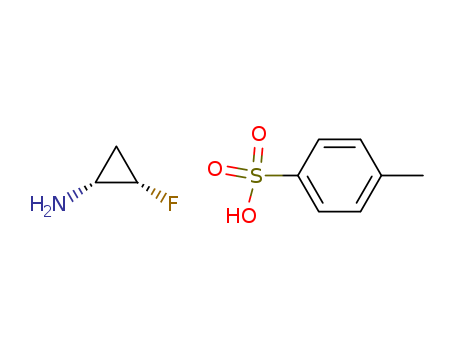
CAS:143062-84-4

CAS:71675-87-1
CAS:9009-99-8
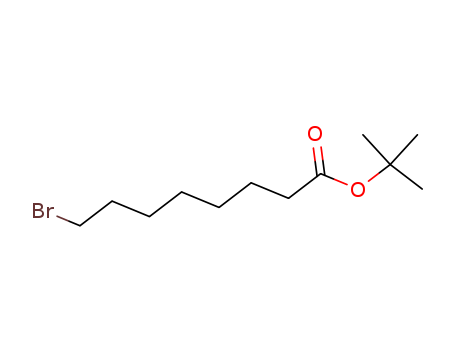
CAS:77383-17-6